Blog 4: Sustainability: Moving from Green Labels to Storytelling
Blog 4: Sustainability: Moving from Green Labels to Storytelling
Sustainability has moved beyond a marketing buzzword or a secondary consideration; it is now a fundamental requirement for the promotional products supply chain. However, simply applying a "recycled" label or printing an item in green is no longer enough to impress an increasingly discerning corporate client or end-user. By 2026, the market demands transparency, verified certifications, and, crucially, a compelling narrative that the end-user can understand and share.
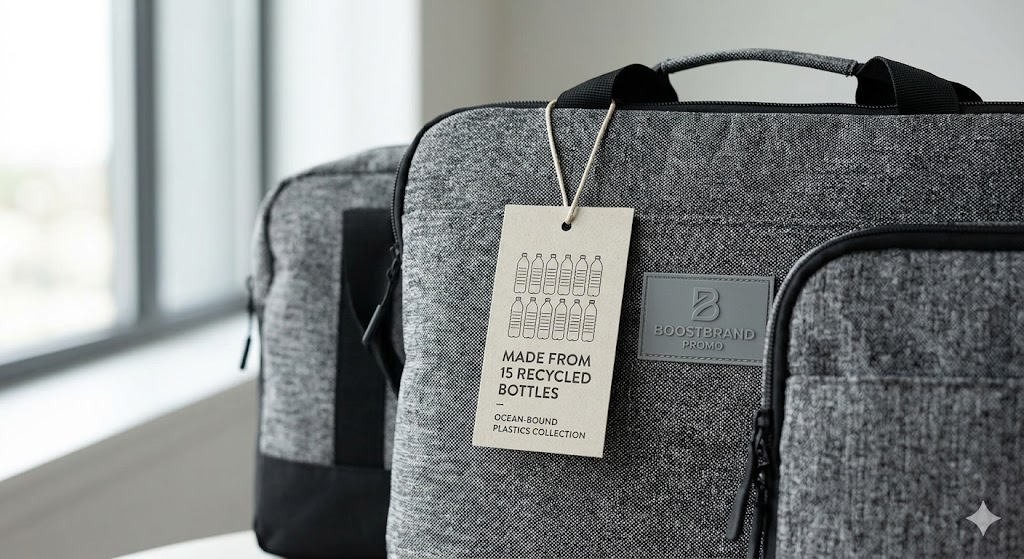
The key to success in the eco-conscious market is moving "from Green Labels to Storytelling." Clients today are asking difficult questions about the provenance and life cycle of their products. They don't just want an eco-friendly water bottle; they want to know the "life cycle story" of the specific item they are purchasing. A bag made of recycled PET fabric is a great product, but it becomes a "campaign hero" when it comes with a hangtag or QR code explaining that it was constructed from exactly 15 plastic bottles salvaged from the ocean and was produced in a carbon-neutral manufacturing facility using 100% renewable energy.
We are seeing a massive shift toward natural, organic, highly durable, and easily biodegradable materials. Bamboo, cork, and mushroom leather are gaining significant traction because they offer a tactile, high-end, and premium feel that synthetic alternatives simply cannot match. More importantly, these regenerative materials align perfectly with the growing consumer demand for plastic-free alternatives.
To excel in this space, suppliers must prioritize verifiable certifications (such as GRS, FSC, or OEKO-TEX). Providing a clear, documented path of the product's origin gives distributors the critical intellectual property they need to persuade the end-user that their brand is truly values-aligned. Sustainability is no longer about checking a box; it is about providing the distributor with the storytelling toolkit they need to turn a physical product into a powerful vehicle for positive environmental impact.